
Can a Dirty Mattress Trigger Asthma? (How to Reduce Dust Mites & Allergens in Singapore)
Can a Dirty Mattress Trigger Asthma? (How to Reduce Dust Mites & Allergens in Singapore)
Some people notice their asthma symptoms getting worse at night — even when they’re indoors in a controlled environment.
No haze. No outdoor triggers. No obvious cause.
In Singapore, one commonly overlooked factor is mattress hygiene.
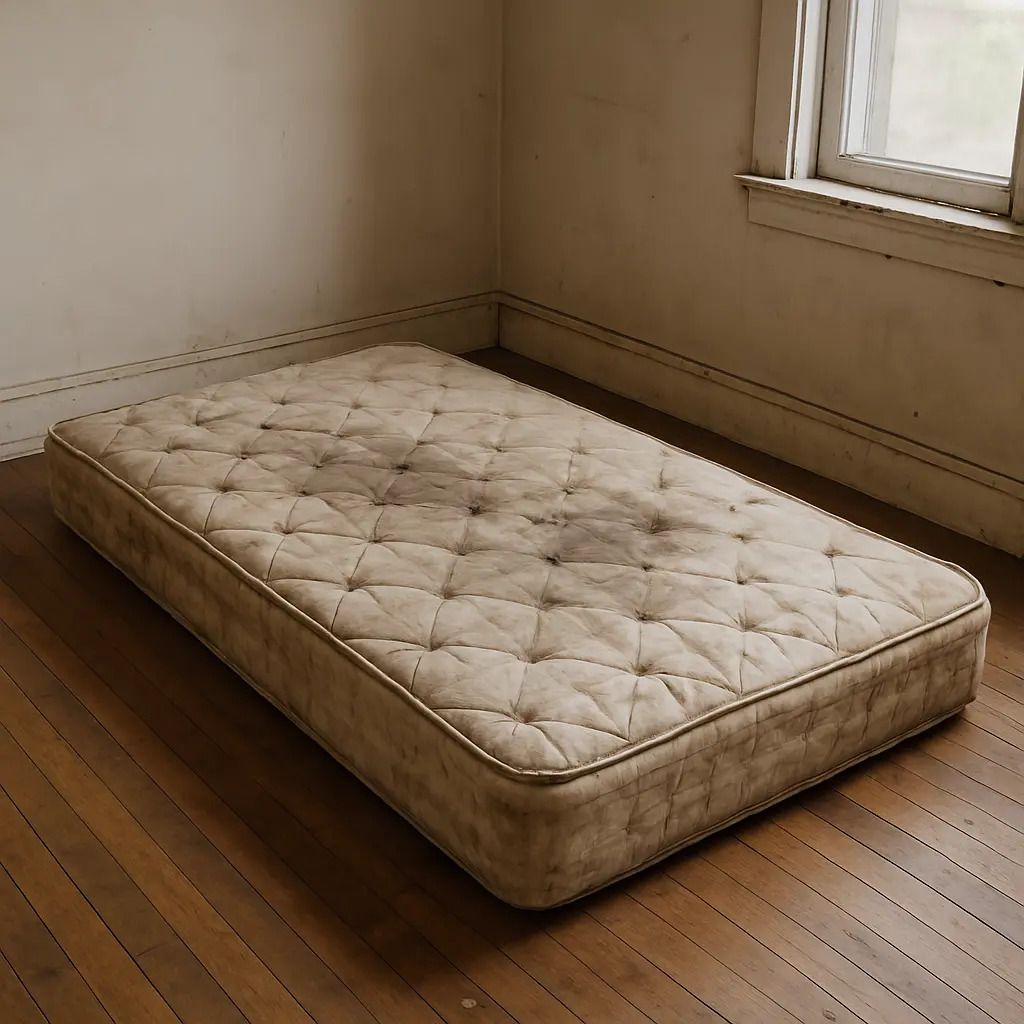
Even if your mattress looks clean, it can contain allergens and particles that affect your breathing while you sleep.
If symptoms have been recurring, it may be time to reduce airborne allergens from your mattress and improve your sleeping environment.
Quick Answer: Can a Dirty Mattress Trigger Asthma?
Yes. A dirty mattress can trigger asthma symptoms due to dust mites, allergens, bacteria, and trapped moisture. In Singapore’s humid climate, these triggers build up faster and can affect your breathing during sleep.
Quick Self-Check: Could Your Mattress Be Triggering Asthma?
- Do your symptoms worsen at night or early morning?
- Do you wake up coughing, wheezing, or breathless?
- Do symptoms improve when you sleep elsewhere?
- Does your mattress have a musty smell?
If you answered yes to several of these, your mattress may be contributing.
What Happens Inside a Mattress Over Time
Even if your mattress appears clean, it can gradually collect:
- Dust mites
- Dead skin cells
- Sweat and moisture
- Allergens and bacteria
These particles can become airborne while you sleep and may irritate your airways.
The Main Asthma Triggers Found in Mattresses
Dust Mites
Dust mites are one of the most common indoor asthma triggers.
They thrive in warm, humid environments like Singapore and feed on dead skin cells. Their waste particles can easily become airborne and be inhaled.
Allergens and Fine Particles
Your mattress can trap:
- Dust
- Pet dander
- Pollen
These can accumulate over time and affect sensitive individuals.
Moisture and Humidity
Singapore’s humidity (often 70%–90%) creates ideal conditions for:
- Allergen buildup
- Reduced drying
- Increased exposure to irritants
Bacteria Growth
A damp mattress environment may also support bacteria, which can contribute to respiratory discomfort.
Mattress-Related Asthma vs Other Triggers
Not all asthma symptoms come from your mattress.
- Mattress-related triggers → worse during sleep, improve elsewhere
- Outdoor triggers (e.g. haze) → worsen outdoors
- Pet-related triggers → triggered near animals
Understanding this helps you identify the likely cause.
Why Asthma Symptoms Can Worsen Over Time
Without proper maintenance:
- Dust mite populations increase
- Allergens accumulate
- Moisture remains trapped
This means repeated exposure every night, which may worsen symptoms gradually.
Why This Is Common in Singapore Homes
- High humidity all year round
- Air-conditioning reduces natural airflow circulation
- Beds often placed close to walls
- Compact rooms limit ventilation
These conditions make it easier for allergens to build up inside mattresses.
How to Reduce Asthma Triggers from Your Mattress
Keep Your Mattress Dry
- Air your mattress daily
- Prevent moisture buildup
- Improve airflow
Wash Bedding Regularly
- Change bedsheets every 1–2 weeks
- Remove allergens and dust
Use a Mattress Protector
- Reduces direct exposure to allergens
- Helps maintain a cleaner surface
Improve Room Ventilation
- Use fans or air-conditioning
- Allow air to circulate
When Basic Maintenance Isn’t Enough
If symptoms continue, it may mean:
- Allergens are deeply embedded
- Dust mites have multiplied
- Surface cleaning is not sufficient
Why Symptoms Keep Coming Back
Many people try basic cleaning but still experience symptoms.
This usually happens because:
- The root cause wasn’t fully removed
- Allergens remain trapped inside
- Moisture allows buildup to continue
To address one of the main triggers directly, read:
How to Remove Dust Mites from Your Mattress (Singapore Guide)
Simple Ways to Reduce Asthma Triggers from Your Mattress
- Air your mattress daily
- Keep bedding clean
- Reduce humidity
- Use a breathable mattress protector
Common Mistakes That Increase Asthma Risk
- Not airing the mattress
- Infrequent sheet washing
- Poor ventilation
- Ignoring early symptoms
Important Note
If you have severe or worsening asthma symptoms, it’s important to consult a medical professional. Mattress hygiene is one factor, but not the only possible cause.
FAQ
Can dust mites really trigger asthma?
Yes. Dust mites are a well-known indoor asthma trigger.
Why are symptoms worse at night?
Because you are in close contact with your mattress for several hours.
How do I know if my mattress is the cause?
If symptoms improve when sleeping elsewhere, your mattress may be contributing.
Can cleaning reduce asthma symptoms?
It can help by reducing allergen exposure.
When should I take action?
When symptoms are frequent, worsening, or affecting sleep quality.
Final Thoughts
A dirty mattress can contribute to asthma symptoms, especially in Singapore’s humid environment where allergens and moisture build up more easily.
While regular maintenance helps reduce exposure, it may not fully remove what’s embedded inside.
If symptoms persist, the most effective approach is to remove embedded dust mites and allergens effectively, creating a cleaner and healthier sleeping environment for better breathing and rest.
 WhatsApp Us