
How to Prevent Sweat Damage on Mattresses in Singapore (Stop Odors & Moisture Build-Up)
How to Prevent Sweat Damage on Mattresses in Singapore (Stop Odors & Moisture Build-Up)
Sweat damage is one of the most common — and often overlooked — causes of mattress odors, stains, and hygiene issues in Singapore.
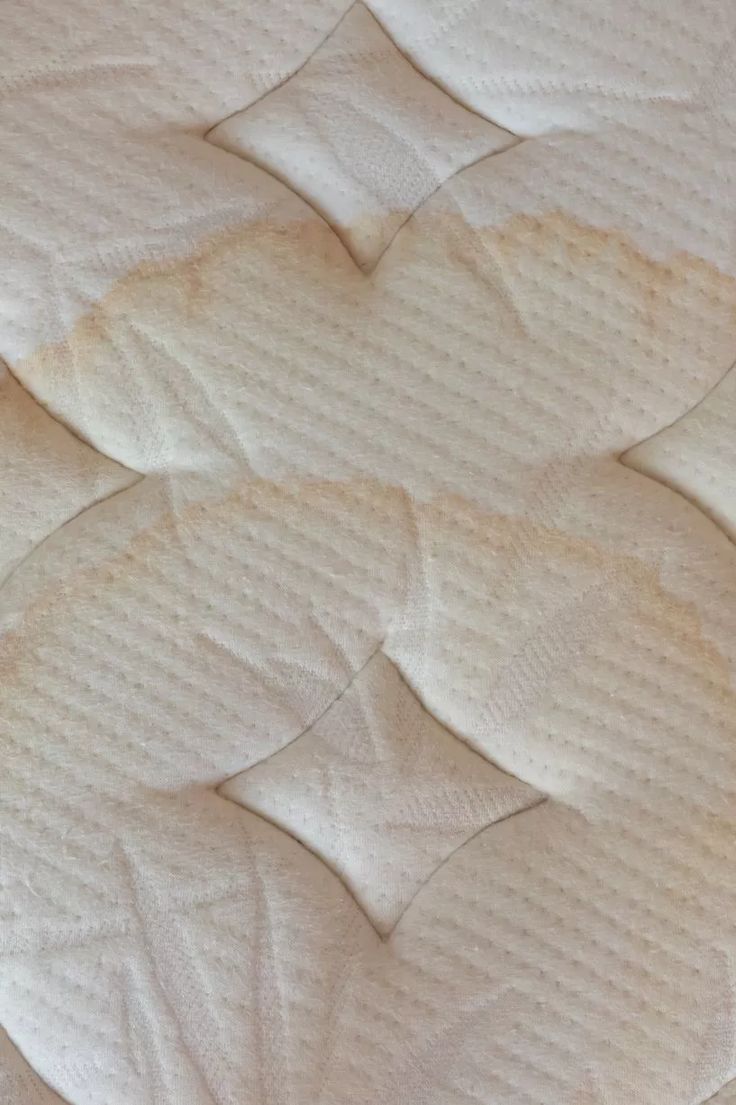
Many people wake up feeling sweaty even with air-conditioning, not realising that moisture is slowly being absorbed into their mattress every night. Over time, this buildup can lead to unpleasant smells, yellow stains, and even internal damage.
If your mattress already has sweat stains or odors, you can consider professional mattress cleaning to restore it effectively.
Quick Answer: How Do You Prevent Sweat Damage on a Mattress?
- Use a breathable mattress protector
- Keep your mattress dry and well-ventilated
- Wash bedding regularly
- Reduce moisture buildup early
- Use cooling, breathable materials
Sweat Damage Prevention Checklist
- Use a breathable mattress protector
- Air your mattress daily
- Wash bedsheets every 1–2 weeks
- Improve room ventilation
- Avoid sleeping on damp surfaces
Why You Sweat More at Night in Singapore
Singapore’s climate creates the perfect conditions for sweat buildup:
- Warm temperatures year-round
- High humidity (70%–90%) reduces evaporation
- Limited airflow in bedrooms
This means sweat doesn’t dry quickly — it gets absorbed into your mattress instead.
What Happens When Sweat Builds Up in a Mattress
Over time, sweat can cause:
- Yellow stains
- Musty or sour odors
- Bacteria growth
- Reduced mattress lifespan
Even small amounts of daily moisture can accumulate into bigger problems.
Best Materials to Reduce Sweat Buildup
Choosing the right materials can make a big difference:
- Bamboo / TENCEL → cooling and moisture-wicking
- Cotton → breathable and comfortable
- Avoid thick foam or plastic layers that trap heat
7 Ways to Prevent Sweat Damage on Your Mattress
1. Use a Breathable Mattress Protector
- Acts as a barrier against sweat
- Choose cooling and breathable materials
- Avoid heat-trapping covers
2. Wash Bedding Regularly
- Change bedsheets every 1–2 weeks
- Prevent sweat buildup
- Maintain hygiene
3. Let Your Mattress Air Out Daily
- Leave bed uncovered for 15–30 minutes
- Allow moisture to evaporate
- Improve airflow
4. Avoid Sleeping on Damp Surfaces
- Do not sleep with wet hair
- Keep bedding dry
- Prevent moisture transfer
5. Improve Room Ventilation
- Use fans or air-conditioning
- Open windows when possible
- Reduce humidity
6. Use Cooling and Breathable Bedding
- Choose lightweight materials
- Avoid heat-trapping fabrics
- Improve comfort and airflow
7. Clean Sweat Marks Early
- Blot moisture immediately
- Prevent stains from setting
- Dry thoroughly
Sweat Damage vs Other Mattress Issues
- Sweat → moisture and odor buildup
- Spills → liquid stains
- Dust → allergens and irritation
Each issue requires different cleaning and prevention methods.
Signs of Sweat Damage
- Yellowish stains
- Persistent odor
- Damp or sticky feeling
- Increased allergies
When Sweat Damage Becomes Permanent
If left untreated:
- Stains may no longer fade
- Odors become trapped deep inside
- Internal materials may deteriorate
At this stage, DIY cleaning is less effective.
Why Prevention Matters More Than Cleaning
Once sweat penetrates deep into the mattress:
- It becomes difficult to remove
- Odors may linger
- Moisture can stay trapped
Preventing buildup is always easier than fixing it later.
DIY vs Professional Mattress Cleaning
DIY Maintenance
- Helps with surface cleaning
- Reduces minor odors
- Requires regular upkeep
Professional Mattress Cleaning
- Removes deep-seated sweat and moisture
- Eliminates bacteria and odors
- Restores hygiene effectively
When Prevention Isn’t Enough
Daily habits cannot fully remove:
- Deep stains
- Embedded moisture
- Odors trapped inside
If your mattress already smells or feels damp, it usually means the problem has gone deeper.
To improve overall mattress hygiene, read:
Daily Habits That Keep Your Mattress Clean in Singapore
Common Mistakes to Avoid
- Not using a mattress protector
- Ignoring early signs of sweat buildup
- Poor ventilation
- Cleaning too late
FAQ
Does sweat really damage a mattress?
Yes. Over time, it causes stains, odors, and material breakdown.
How do I reduce sweating on my mattress?
Use breathable materials, improve airflow, and keep bedding clean.
Can sweat cause odors?
Yes. Trapped moisture leads to bacteria growth and smells.
Is a mattress protector enough?
It helps, but ventilation and cleaning are still important.
Do I still need deep cleaning?
Yes, especially if sweat buildup has already occurred.
Final Thoughts
Sweat damage is one of the most common causes of mattress problems in Singapore — but it’s also one of the easiest to prevent.
Simple habits like using breathable materials, improving airflow, and maintaining regular cleaning routines can make a big difference.
However, if your mattress already has stains, odors, or moisture buildup, surface maintenance may not be enough.
For a deeper and more effective clean, you can rely on professional mattress cleaning Singapore services to restore your mattress properly.
 WhatsApp Us