
How to Clean a Baby Mattress Safely in Singapore (Complete Guide)
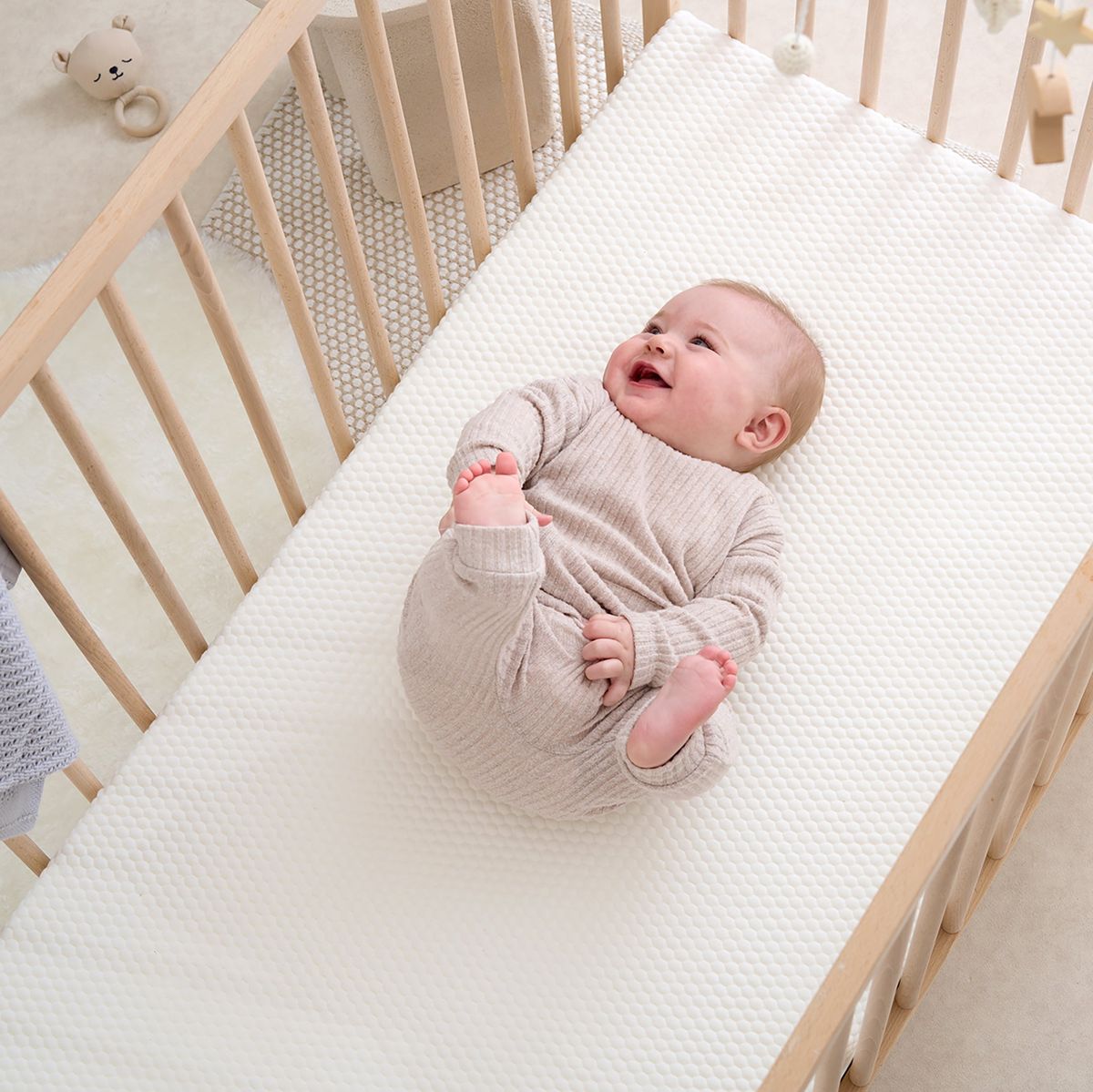
How to Clean a Baby Mattress Safely in Singapore (Complete Guide)
Every parent wants their baby to sleep in a clean, comfortable, and hygienic environment.
But baby mattresses go through a lot.
Milk spills, spit-up, diaper leaks, sweat, drool, and everyday accidents can quickly build up over time. Since newborns and infants spend a large portion of their day sleeping, maintaining a clean mattress becomes an important part of overall nursery hygiene.
Many parents naturally ask:
How do you clean a baby mattress safely without using harsh chemicals?
The good news is that most baby mattresses can be cleaned safely using gentle cleaning methods, prompt stain removal, and proper drying techniques.
For parents who prefer professional care or need help with stubborn stains, scheduling a professional baby mattress cleaning can help maintain a fresher and cleaner sleeping environment.
Quick Answer: How Do You Clean a Baby Mattress Safely?
For routine cleaning, follow these simple steps:
- Vacuum the mattress regularly.
- Spot clean spills immediately.
- Use only mild baby-safe cleaning solutions.
- Avoid soaking the mattress.
- Allow the mattress to dry completely before use.
- Wash removable mattress covers according to the manufacturer's instructions.
The most important rule is simple:
Use as little moisture as possible and always ensure the mattress is completely dry before your baby sleeps on it again.
Why Babies Need a Cleaner Sleeping Environment
Newborns commonly sleep:
- 14–17 hours per day
Older babies typically sleep:
- 12–16 hours each day
Because babies spend so much time lying on their mattress, it naturally becomes one of the most frequently used items in the nursery.
Keeping the mattress clean helps maintain a fresher sleeping environment and supports good nursery hygiene.
Why Baby Mattress Hygiene Is Important
Over time, a baby mattress may accumulate:
- Milk spills
- Formula residue
- Saliva
- Sweat
- Diaper leaks
- Dead skin cells
- Dust
- Everyday household particles
Most of this buildup happens gradually and often isn't visible on the surface.
Regular cleaning helps maintain freshness while extending the life of the mattress.
Always Check the Manufacturer's Care Instructions
Before cleaning any baby mattress, always read the care label.
Different mattresses use different materials, including:
- Foam
- Memory foam
- Latex
- Innerspring construction
- Waterproof covers
Some materials tolerate moisture better than others.
Following the manufacturer's cleaning instructions helps prevent accidental damage.
How Often Should You Clean a Baby Mattress?
A simple maintenance routine keeps cleaning manageable.
Daily
- Check for wet spots.
- Allow the mattress to air briefly when changing bedding.
Weekly
- Wash bedding.
- Vacuum the mattress surface.
- Inspect for stains or spills.
Every 6–12 Months
Arrange a deeper clean to maintain long-term mattress hygiene.
Step 1: Remove All Bedding
Before cleaning:
- Remove fitted sheets.
- Remove waterproof protectors.
- Remove washable mattress covers if applicable.
Wash all removable items according to their care labels.
Step 2: Vacuum the Mattress
Use a vacuum cleaner fitted with a clean upholstery attachment.
Vacuum:
- Top surface
- Bottom surface (if applicable)
- Sides
- Seams
- Corners
Regular vacuuming helps remove dust and loose debris.
Step 3: Spot Clean Stains Immediately
Accidents happen.
When they do:
- Blot the spill immediately.
- Avoid rubbing the stain.
- Use a clean cloth lightly dampened with warm water and a mild baby-safe detergent.
- Gently blot until clean.
Avoid excessive scrubbing, which may push stains deeper into the fabric.
Step 4: Clean Common Baby Mattress Accidents
Milk Spills
Milk should be cleaned as soon as possible to help prevent lingering odors.
Blot gently without soaking the mattress.
Spit-Up
Remove any residue first before lightly cleaning the affected area.
Always use minimal moisture.
Diaper Leaks
Clean promptly using a mild detergent solution.
Avoid allowing moisture to soak deep into the mattress.
Urine Accidents
Blot immediately.
Use as little cleaning solution as possible and allow the mattress to dry completely afterwards.
Step 5: Avoid Over-Wetting the Mattress
One of the biggest cleaning mistakes is using too much water.
Excess moisture may:
- Increase drying time
- Become trapped inside the mattress
- Reduce overall freshness
- Affect mattress materials
A lightly dampened cloth is usually all that is needed.
Step 6: Dry the Mattress Completely
Proper drying is one of the most important parts of safe mattress cleaning.
Never replace bedding until the mattress is fully dry.
You can speed up drying by:
- Opening windows when weather permits
- Using a fan
- Running the air conditioner
- Using a dehumidifier
Why Complete Drying Matters
Leaving moisture inside a mattress may:
- Increase drying time
- Affect mattress freshness
- Encourage unpleasant odors
- Reduce overall comfort
Thorough drying helps maintain a cleaner sleeping environment.
What Cleaning Products Are Safe?
Choose gentle cleaning products whenever possible.
Suitable options include:
- Mild baby-safe detergent
- Warm water
- Soft microfiber cloths
Avoid:
- Bleach
- Strong disinfectants
- Solvents
- Ammonia
- Highly fragranced cleaning products
Always follow the manufacturer's recommendations.
Should You Steam Clean a Baby Mattress?
Steam cleaning may be suitable for some mattresses but not others.
Before using steam:
- Read the manufacturer's instructions.
- Avoid excessive heat if not recommended.
- Ensure complete drying afterwards.
If you're unsure, professional cleaning is often the safest option.
Can You Use Baking Soda?
A light application of baking soda may help freshen the mattress surface.
After applying:
- Leave it briefly.
- Vacuum thoroughly.
- Ensure no powder remains before replacing bedding.
Avoid excessive use.
Common Cleaning Mistakes Parents Should Avoid
Avoid:
- Soaking the mattress
- Using bleach
- Using harsh chemicals
- Cleaning with excessive heat
- Putting bedding back on before the mattress dries
- Ignoring small spills
Prompt cleaning usually makes stain removal much easier.
How to Keep a Baby Mattress Cleaner for Longer
Simple habits reduce future cleaning.
Use a Waterproof Mattress Protector
This provides an extra layer of protection against spills.
Wash Bedding Weekly
Fresh bedding helps maintain nursery hygiene.
Clean Accidents Immediately
Quick action helps minimise staining.
Keep the Nursery Well Ventilated
Good airflow supports faster drying and freshness.
Rotate the Mattress (If Recommended)
Some baby mattresses are designed to be rotated.
Always follow the manufacturer's instructions.
Why Baby Mattresses Need Extra Care in Singapore
Singapore's tropical climate creates additional cleaning challenges.
Common conditions include:
- High humidity
- Warm temperatures
- Slower drying
- Increased moisture retention
These conditions make complete drying particularly important after cleaning.
Routine maintenance also helps preserve mattress freshness throughout the year.
When Cleaning May Not Be Enough
Sometimes replacing the mattress is the safer option.
Consider replacement if:
- The mattress has permanent structural damage.
- Foam is collapsing.
- There are tears exposing the interior.
- Persistent odors remain despite proper cleaning.
- Moisture damage cannot be resolved.
When Should You Consider Professional Baby Mattress Cleaning?
Professional cleaning may be worth considering if:
- There are stubborn stains.
- The mattress has persistent odors.
- Multiple accidents have occurred.
- The mattress has not been deep cleaned for over a year.
- You want a deeper clean while minimising moisture.
Professional equipment is designed to remove accumulated debris while reducing residual moisture.
Can Professional Cleaning Help?
Professional baby mattress cleaning may help:
- Improve mattress freshness
- Remove accumulated debris
- Support overall mattress hygiene
- Minimise moisture buildup
- Create a cleaner nursery environment
Many parents include professional cleaning as part of their regular home hygiene routine.
Related Articles
- How Often Should You Hire a Professional Mattress Cleaner?
- Why Clean Mattresses Help Reduce Allergies
- How a Dirty Mattress Affects Your Sleep Quality
- Does a Clean Mattress Improve Breathing at Night?
FAQ
How often should I clean my baby's mattress?
Vacuum regularly, clean spills immediately, and consider professional deep cleaning every 6–12 months.
Can I use vinegar to clean a baby mattress?
Some people use diluted vinegar for household cleaning, but always check the mattress manufacturer's care instructions before applying any cleaning solution.
Can I wash a baby mattress?
Most baby mattresses should not be submerged in water. Spot cleaning is generally the safest method unless the manufacturer states otherwise.
Is steam cleaning safe for baby mattresses?
Some baby mattresses can be steam cleaned, while others cannot. Always follow the manufacturer's recommendations.
Can sunlight damage a baby mattress?
Short periods of indirect sunlight may assist drying, but prolonged direct sunlight may affect certain mattress materials.
Why is baby mattress cleaning especially important in Singapore?
Singapore's warm, humid climate can slow drying and increase moisture retention, making regular cleaning and proper drying especially important.
Final Thoughts
Your baby's mattress plays an important role in creating a clean and comfortable nursery environment.
Routine vacuuming, prompt attention to spills, gentle cleaning methods, and thorough drying can help maintain mattress hygiene while extending the life of the mattress.
While many minor spills can be managed at home, professional cleaning is often the best choice for stubborn stains, persistent odors, or long-term maintenance.
If you're looking for a deeper clean with minimal moisture and equipment designed for delicate mattresses, consider engaging a professional baby mattress cleaning service in Singapore to help keep your baby's sleeping environment fresh, hygienic, and comfortable.
 WhatsApp Us