
Signs of Bacteria Build-Up in Your Mattress (Singapore Hygiene Guide)
Signs of Bacteria Build-Up in Your Mattress (Singapore Hygiene Guide)
Your mattress may look clean, but that does not mean it is free from bacteria.
Every night, your mattress absorbs sweat, dead skin, and moisture. Over time, this creates an environment where bacteria can develop beneath the surface. In Singapore’s humid climate, this process happens faster than most people expect.
If you have noticed changes in smell, comfort, or how you feel after sleeping, it may be time to remove bacteria buildup from deep inside your mattress before it worsens.
Quick Answer: What Are the Signs of Bacteria in a Mattress?
Common signs include unpleasant odors, skin irritation, allergies, and a mattress that feels less fresh over time.
Quick Self-Check: Is Bacteria Already in Your Mattress?
- Do you notice a faint sour or stale smell when changing sheets?
- Does your mattress feel less fresh even after airing?
- Do you wake up with mild itchiness or skin irritation?
- Has it been more than 6 months since any deep cleaning?
If you answered yes to several of these, bacteria buildup is likely already present.
What Most People Do Not Realise
Bacteria buildup does not happen overnight.
It develops gradually as moisture and organic material accumulate inside your mattress. By the time symptoms appear, the buildup is often already established.
A Mattress Can Look Clean but Still Contain Bacteria
Bacteria are microscopic, which means they remain hidden even when your mattress looks clean.
Even without visible stains, your mattress may still contain moisture and organic material that allow bacteria to grow.
Early vs Advanced Signs of Bacteria Build-Up
Early stage
- Slight odor
- Reduced freshness
Advanced stage
- Strong, persistent smell
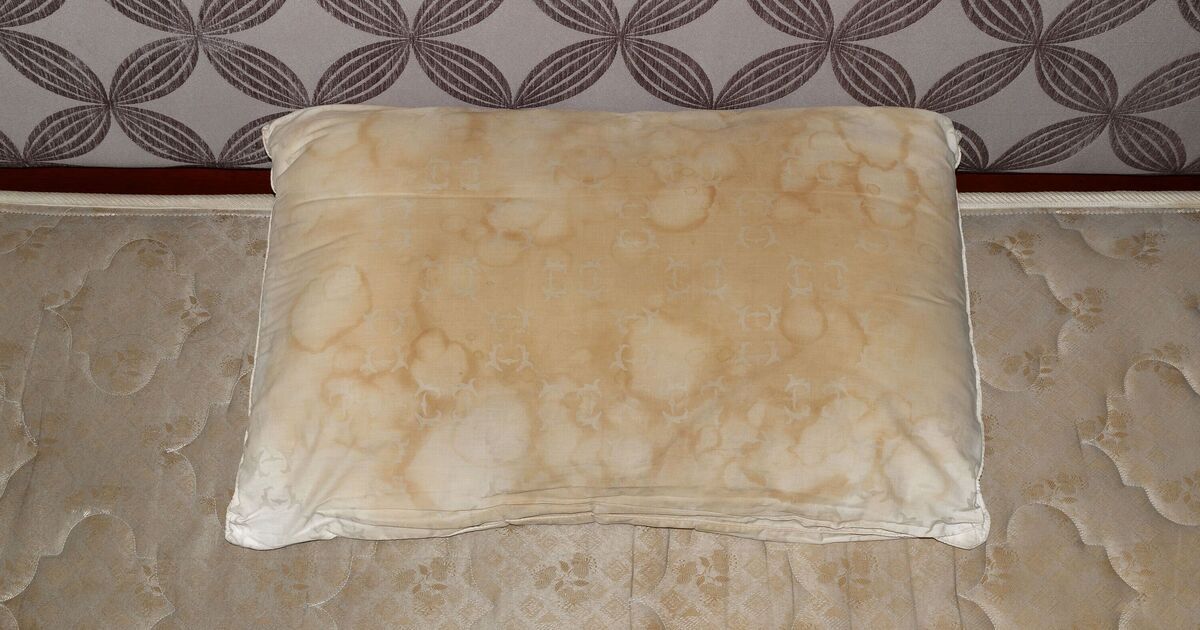
- Visible stains or discoloration
- Increased irritation or allergies
Recognising early signs helps prevent more serious issues.
Common Signs of Bacteria Build-Up
Persistent Odor
- Slight sour or musty smell
- Odor returns even after airing
Skin Irritation
- Itchiness after waking up
- Mild redness or discomfort
Increased Allergies
- Sneezing or nasal irritation
- Symptoms that worsen at night
Reduced Freshness
- Mattress feels less clean
- Comfort gradually declines
Visible Stains
- Yellowing or dark spots
- Signs of sweat absorption
What Causes Bacteria to Build Up?
Bacteria thrive in conditions with:
- Moisture from sweat
- Warm temperatures
- Organic material such as dead skin
Your mattress naturally provides all of these over time.
Why the Problem Gets Worse Over Time
- Moisture continues to accumulate
- Organic matter builds up
- Bacteria multiply beneath the surface
Without proper cleaning, the issue gradually increases.
Why This Is More Common in Singapore
- High humidity traps moisture
- Warm conditions support bacterial growth
- Limited airflow slows drying
This creates an environment where bacteria can develop more easily.
Why Basic Cleaning Is Not Always Enough
- Surface cleaning removes only top-level dirt
- Moisture and bacteria remain inside
- Odors and symptoms may return
Deeper buildup requires more thorough cleaning.
How to Reduce Bacteria in Your Mattress
Keep Your Mattress Dry
- Air it regularly
- Prevent moisture buildup
Wash Bedding Frequently
- Change sheets every 1 to 2 weeks
- Reduce surface contaminants
Improve Ventilation
- Increase airflow in the room
- Reduce humidity
Use a Mattress Protector
- Helps reduce direct absorption
- Adds a protective layer
When to Take Action
If you notice:
- Persistent odor
- Ongoing irritation
- Mattress feeling less fresh
It may be time to eliminate bacteria buildup before it spreads further.
To understand how buildup develops over time, read:
What Happens If You Never Clean Your Mattress? (Singapore Guide)
Simple Ways to Reduce Bacteria Build-Up
- Air your mattress regularly
- Wash bedding frequently
- Reduce humidity
- Improve airflow
Common Mistakes People Make
- Assuming no smell means no bacteria
- Only cleaning bedsheets
- Ignoring early symptoms
- Poor ventilation
FAQ
Can bacteria grow inside a mattress?
Yes. Moisture and organic material allow bacteria to develop.
Can I see bacteria in my mattress?
No. Bacteria are microscopic and cannot be seen directly.
Does smell indicate bacteria?
Persistent odor is often a sign of buildup.
Can bacteria affect sleep quality?
It can affect comfort and overall sleeping conditions.
When should I clean my mattress?
When you notice odor, irritation, or reduced freshness.
Final Thoughts
Bacteria buildup in a mattress is often hidden, but the effects can become noticeable over time.
In Singapore’s humid environment, this process can happen faster than expected.
Recognising the early signs allows you to take action before the problem becomes more serious.
If buildup has already developed, the most effective approach is to restore your mattress by removing deep bacterial buildup, ensuring a cleaner, fresher, and more comfortable sleeping environment.
 WhatsApp Us