
Why Humidity Makes Your Mattress Dirtier in Singapore (And How to Fix It Fast)
Why Humidity Makes Your Mattress Dirtier in Singapore (And How to Fix It Fast)
If you live in Singapore, you’ve probably experienced this before — you wake up in the middle of the night feeling slightly warm or sticky, even with the air-conditioning on.
What most people don’t realise is that the moisture from your body doesn’t just disappear. Over time, it gets absorbed into your mattress.
That’s where the real problem starts.
Singapore’s humidity levels sit between 70% to 90% all year round, and that creates the perfect environment for dust mites, bacteria, and even mold to build up inside your mattress without you noticing.
Before we go deeper, if your mattress already smells musty or triggers allergies, you can check out mattress cleaning services for a proper deep clean.
Let’s break down why this happens — and what you can realistically do about it.
Why Humidity Is Such a Big Problem in Singapore Homes
In dry countries, moisture evaporates quickly. In Singapore, it doesn’t.
It just sits there — in your room, your furniture, and especially your mattress.
In many HDB bedrooms or smaller condo rooms, airflow is limited. Windows are often closed, and air-conditioning runs overnight. While that keeps the room cool, it can also trap moisture inside.
Over time, this creates a cycle:
- moisture builds up
- mattress absorbs it
- it never fully dries
And that’s when problems start to show.
What Actually Happens Inside Your Mattress
1. Dust Mites Multiply Faster Than You Think
Dust mites love warm and humid environments — which basically describes Singapore perfectly.
In fact, studies show that a single mattress can contain up to 1–2 million dust mites.
They feed on dead skin cells and live deep inside your mattress, especially in areas where you sleep every night.
If you’ve ever noticed:
- sneezing when you wake up
- itchy skin at night
- or blocked nose in the morning
there’s a good chance dust mites are part of the problem.
2. Sweat Doesn’t Evaporate Properly
Even if you don’t feel it, your body releases moisture while you sleep.
In Singapore’s heat, this can be quite a lot — sometimes up to 200–500 ml per night.
Because of the humidity:
- sweat doesn’t dry properly
- it seeps into the mattress layers
- it builds up over time
That’s why some mattresses develop:
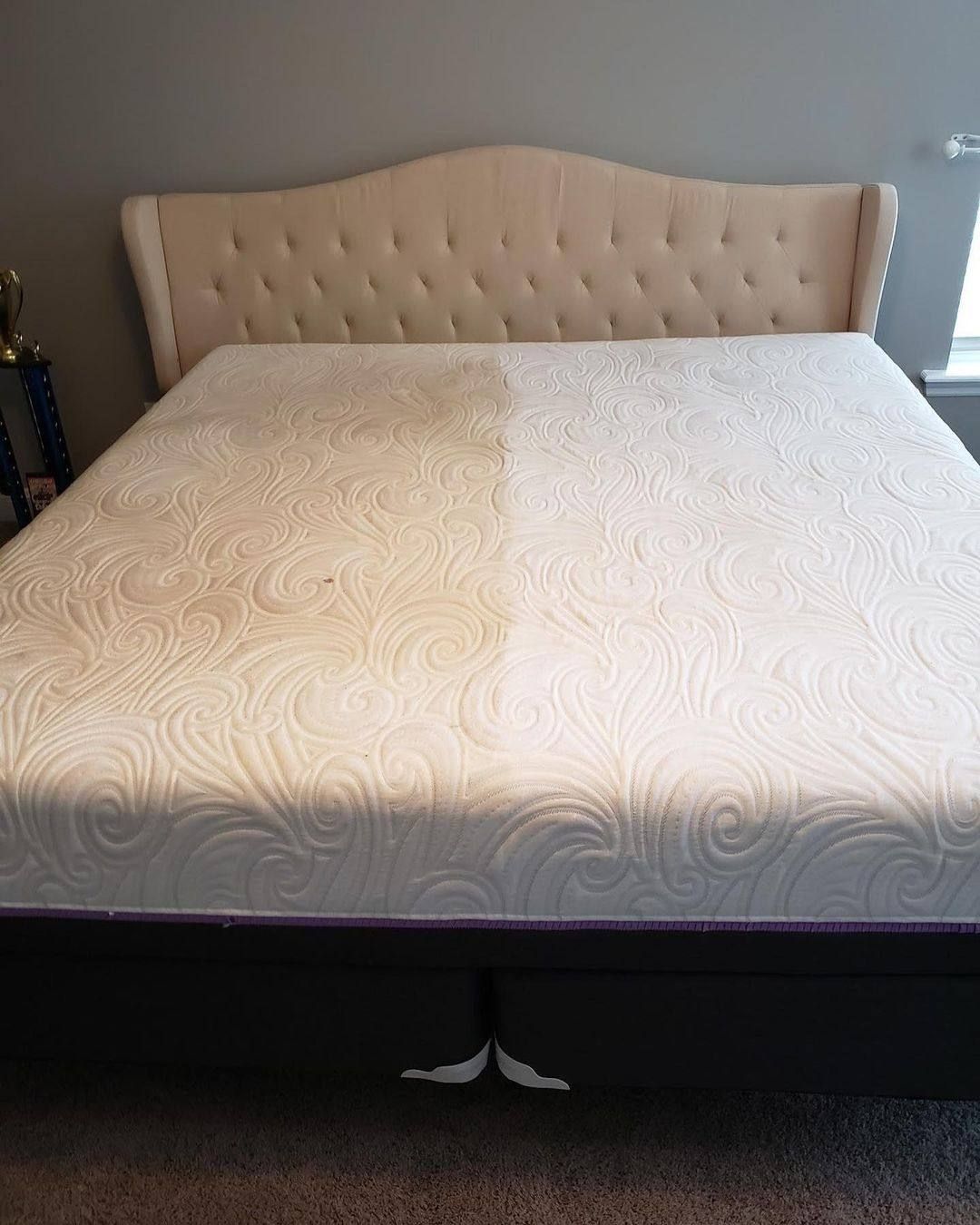
- yellow stains
- a slightly damp feeling
- or a lingering smell
3. Mold Can Grow Without You Seeing It
This is something most people don’t think about.
If your mattress stays slightly damp for long periods, mold can start forming inside — not always on the surface, but deeper within the material.
This tends to happen more in:
- rooms with poor ventilation
- mattresses placed directly on the floor
- homes where air-conditioning runs constantly
The tricky part is you might not see it, but you may smell it or feel the effects.
4. That “Musty Smell” Isn’t Normal
If your mattress smells a bit stale or damp, it’s usually a mix of:
- sweat residue
- bacteria
- trapped moisture
Washing your bedsheets helps, but it doesn’t solve the root issue — because the smell is coming from inside the mattress.
Why This Is Worse in Singapore (Realistically)
Living in Singapore comes with a few habits that make this worse:
- Air-conditioning is used almost every night
- Windows are kept closed for comfort or noise
- Sunlight doesn’t always reach the bed area
- Bedrooms can be compact with limited airflow
In areas like Bedok, Tampines, Jurong, or Woodlands, this setup is very common in HDB flats.
So even if your home looks clean, your mattress may still be holding onto moisture.
Signs Your Mattress Needs Attention
If you’re not sure, here are some simple signs to look out for:
- A slightly damp or musty smell
- Yellowish stains appearing over time
- Waking up with allergies or sneezing
- Feeling itchy when lying in bed
- Mattress feels less fresh than before
If you notice a few of these, it’s worth taking action early.
What You Can Do to Reduce the Problem
You don’t need anything complicated — just a few consistent habits.
Vacuum regularly
Use a vacuum with an upholstery attachment and go over the mattress every 1–2 weeks. Focus on seams and edges.
Use baking soda occasionally
Sprinkle it over the mattress, leave it overnight, and vacuum it off the next day. It helps absorb moisture and neutralise odours.
Let your mattress breathe
If possible, open windows during the day or use a fan to improve airflow. Even small changes help.
Get some sunlight when you can
If your layout allows it, let your mattress get some indirect sunlight or air-drying. Flip it occasionally as well.
Use a mattress protector
This is one of the simplest ways to reduce sweat going into your mattress. It also makes cleaning easier.
If Dust Mites Are the Main Issue
Humidity and dust mites usually go hand in hand.
If you want to deal with them properly, you can read this guide:
How to Remove Dust Mites from Your Mattress
It walks you through practical steps that actually work in Singapore conditions.
When DIY Isn’t Enough
DIY cleaning helps, but it has its limits.
From experience, most people can maintain their mattress surface, but not what’s inside.
Things like:
- deep dust mites
- embedded bacteria
- moisture trapped in foam
are very hard to remove without proper equipment.
FAQ
Does humidity really make mattresses dirtier in Singapore?
Yes. High humidity allows dust mites, bacteria, and moisture to build up much faster compared to dry climates.
How do I know if my mattress has dust mites?
Common signs include sneezing at night or in the morning, itchy skin, and worsening allergies while sleeping.
Can I clean my mattress myself?
You can manage surface cleaning with vacuuming and baking soda, but deep issues like dust mites and trapped moisture are harder to remove completely.
How often should I clean my mattress in Singapore?
Vacuuming every 1–2 weeks and deep cleaning every few months is recommended due to the humid environment.
Is air-conditioning enough to keep my mattress dry?
Not really. Air-conditioning can reduce heat, but it may still trap moisture indoors without proper airflow.
Final Thoughts
Humidity is one of the biggest reasons mattresses get dirty faster in Singapore — even if everything looks clean on the surface.
It’s not something you’ll notice immediately, but over time, it affects your sleep, hygiene, and even your health.
A bit of regular maintenance goes a long way. But if your mattress hasn’t been cleaned in a while, or you’re dealing with odors or allergies, it may be time to take it a step further.
You can always look into Professional Mattress Cleaning Services to properly remove what DIY methods can’t reach.
 WhatsApp Us