
Why Your Mattress Gets Moldy in Singapore Homes (And How to Prevent It)
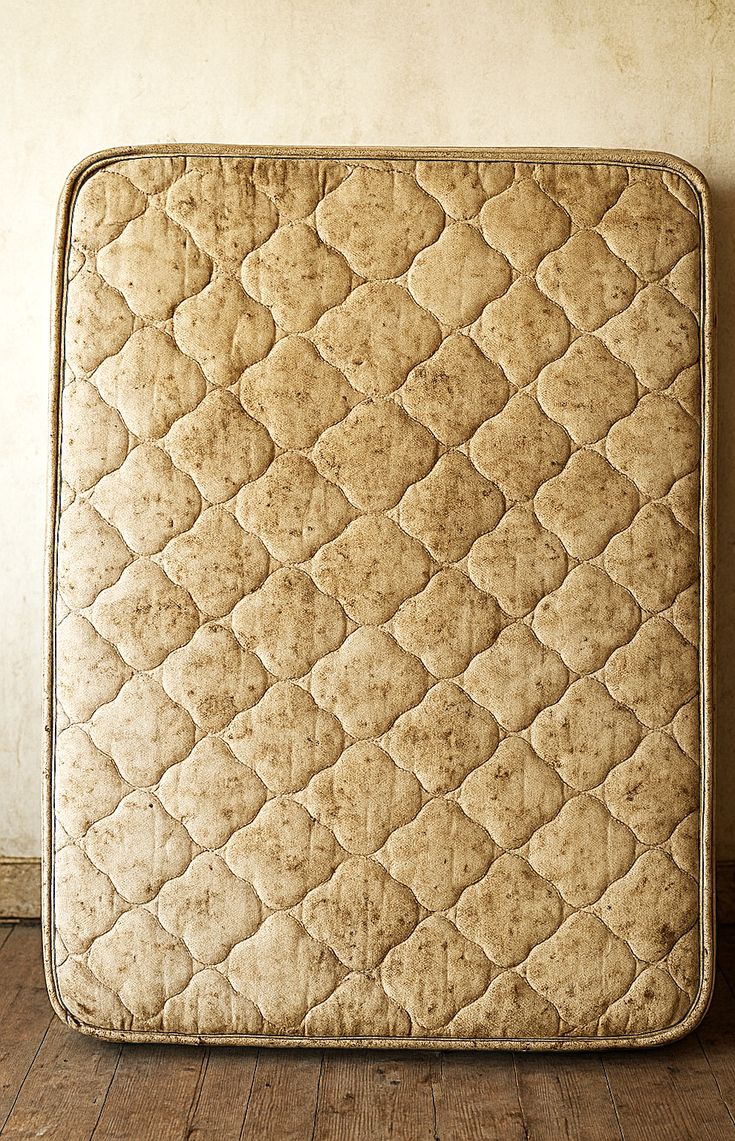
Why Your Mattress Gets Moldy in Singapore Homes (And How to Prevent It)
It usually starts quietly. A faint smell, a slightly damp feeling, or a mattress that just does not feel as fresh as before.
Most people ignore it at first.
In Singapore, this can be a sign of moisture building up inside your mattress. Over time, that moisture can lead to mold growth, even if the surface still looks clean.
If this has been happening, it may be time to eliminate deep moisture before mold spreads and protect your mattress properly.
Quick Answer: Why Do Mattresses Get Moldy?
Mattresses become moldy due to trapped moisture from sweat, humidity, and poor ventilation. In Singapore’s humid climate, this moisture does not dry easily, allowing mold to develop over time.
Quick Self-Check: Is Mold Growing in Your Mattress?
- Do you notice a persistent musty smell?
- Does your mattress feel slightly damp at times?
- Do you wake up with sneezing or irritation?
- Has the smell remained even after airing?
If you answered yes to several of these, mold growth may already be developing inside your mattress.
Mold Can Exist Before You Notice It
Mold does not always appear immediately.
It can begin forming inside your mattress long before:
- Visible stains appear
- Strong odors develop
- Symptoms become obvious
By the time you notice it, the problem may already be more advanced.
Early vs Advanced Signs of Mold
Early stage
- Slight damp feeling
- Faint musty odor
Advanced stage
- Strong, persistent smell
- Visible dark spots or stains
- Increased allergies or irritation
Recognising early signs helps prevent more serious issues.
What Causes Mold in a Mattress?
Trapped Moisture from Sleep
Every night, your body releases:
- Sweat
- Body heat
- Moisture
This is absorbed into the mattress and builds up over time.
High Humidity in Singapore
Singapore’s humidity, often between 70% and 90%, slows down evaporation.
- Moisture stays trapped longer
- Mattresses do not dry fully
- Mold conditions develop more easily
Poor Airflow Around the Bed
- Beds placed against walls
- Limited space underneath
- Poor room ventilation
These reduce airflow and prevent proper drying.
Lack of Regular Maintenance
Without proper care:
- Moisture accumulates layer by layer
- Drying becomes less effective
- Mold risk increases
Why Mold Is Dangerous
Mold inside a mattress is more than a surface issue.
Odor and Sleeping Discomfort
- Musty smells can develop
- Sleeping comfort decreases
Breathing and Allergy Issues
Mold spores can affect air quality and may trigger:
- Sneezing
- Irritation
- Breathing discomfort
Mattress Damage
Mold can weaken the internal structure of your mattress, shortening its lifespan.
Why Mold Gets Worse Over Time
- Moisture continues to accumulate
- Mold spreads deeper into the mattress
- Removal becomes more difficult
Without proper action, the problem can escalate.
Why This Is Common in Singapore Homes
- High humidity throughout the year
- Air-conditioned rooms with limited airflow
- Compact bedroom layouts
- Beds placed close to walls
These conditions trap moisture and increase mold risk.
How to Prevent Mold in Your Mattress
Keep Your Mattress Dry
- Air your mattress regularly
- Allow moisture to escape
Improve Ventilation
- Increase airflow in your room
- Reduce humidity buildup
Use Breathable Bedding
- Avoid thick, non-breathable materials
- Reduce moisture retention
Use a Mattress Protector
- Adds a protective layer
- Helps reduce moisture absorption
When Mold Becomes a Bigger Problem
If ignored:
- Odors become stronger
- Mold spreads deeper
- Health risks may increase
At this stage, basic cleaning may not be enough.
Why Mold Keeps Coming Back
- Humidity remains high
- Moisture inside the mattress is not fully removed
- Airflow is still limited
Unless the root cause is addressed, the problem repeats.
To understand one of the main causes of mold buildup, read:
Why Your Mattress Feels Damp (And Why It’s Dangerous in Singapore Homes)
Simple Ways to Prevent Mattress Mold
- Air your mattress regularly
- Improve room ventilation
- Keep bedding dry
- Reduce humidity
Common Mistakes That Lead to Mold
- Ignoring early signs of dampness
- Not airing the mattress
- Poor ventilation
- Using non-breathable covers
FAQ
Can mold grow inside a mattress?
Yes. Mold can develop inside due to trapped moisture.
Is a moldy mattress dangerous?
It can affect air quality and cause discomfort or allergies.
Can I remove mold myself?
Surface cleaning may help, but deeper mold is harder to remove completely.
How do I prevent mold from forming?
Keep your mattress dry, improve ventilation, and reduce humidity.
When should I take action?
As soon as you notice dampness or odor.
Final Thoughts
Mold growth in mattresses is a hidden problem that can develop slowly, especially in Singapore’s humid environment.
What starts as trapped moisture can turn into a more serious issue if ignored.
Taking early action helps protect both your mattress and your health.
If moisture or mold has already built up, the most effective approach is to stop mold growth by removing moisture trapped deep inside, ensuring a cleaner, safer, and more comfortable sleeping environment.
 WhatsApp Us